

Business
5th Dec Top10 News |Bhiwandi Updates | Indigo Flight Cancel | Rapido par Case | MLA Rais Shaikh

इस वीडियो में द वॉइस के फिरोज मेमन ने आज की टॉप 10 न्यूज़ प्रस्तुत की हैं। शुरुआत एक कमर्शियल से होती है जिसमें भिवंडी स्थित हैप्पी शॉप (सुप्रीम पेट्रोल पंप, चाविंद्रा) को खुशियों और इंटरनेशनल ब्रांड्स के ठिकाने के रूप में दिखाया गया है।
मुख्य खबरें इस प्रकार हैं:
- मुमरा छेड़छाड़ मामला: लड़की से छेड़छाड़ करने वाले युवक को स्थानीय लोगों ने पकड़कर पिटाई की, बाद में पुलिस ने उसे हिरासत में ले लिया।
- भिवंडी विकास कार्य: नई बस्ती इलाके में वेलकम होटल के पीछे की सड़क कंक्रीट की बनेगी। विधायक रईस शेख ने ₹50 लाख का फंड मंजूर किया।
- बस चालकों की गुंडागर्दी: एक्सीडेंट वाली जगह पर बस को डिनर के लिए रोकने से भारी ट्रैफिक जाम लगा, मीडिया से बदसलूकी का वीडियो सामने आया।
- जकात नाका हादसा: ट्रक, ऑटो, रिक्शा और कार की टक्कर से अफरा-तफरी और ट्रैफिक जाम, कुछ लोग घायल।
- बुर्का विवाद (मुंबई): AIMIM नेता वारिस पठान ने कॉलेज सर्कुलर वापस लेने पर खुशी जताई, इसे इंसाफ की जीत बताया।
- महाराष्ट्र गांव में तनाव: मजार और मंदिर को लेकर हिंदू-मुस्लिम समुदाय में विवाद, भारी पुलिस बल तैनात, स्थिति नियंत्रण में।
- रैपिडो पर कार्रवाई: मुंबई RTO ने बिना मंजूरी बाइक टैक्सी चलाने पर रैपिडो के खिलाफ केस दर्ज किया।
- लोकल ट्रेन खुशखबरी: CM देवेंद्र फडणवीस ने नेरुल–म्हापूर रूट पर 10 नई लोकल ट्रेनों की घोषणा की।
- इंडिगो फ्लाइट्स रद्द: मुंबई एयरपोर्ट पर 100+ उड़ानें रद्द, शाम 6 बजे तक डिपार्चर रोका गया।
- शेयर मार्केट अपडेट: सेंसेक्स 447 अंक बढ़कर 85712 पर बंद, निफ्टी 152 अंक बढ़कर 26186 पर बंद। सोना, चांदी और क्रूड ऑयल के भाव भी बताए गए।
कुल मिलाकर, वीडियो में स्थानीय अपराध, विकास कार्य, ट्रैफिक व हादसे, राजनीतिक और सामाजिक मुद्दे, ट्रांसपोर्ट अपडेट और शेयर मार्केट की जानकारी एक साथ दी गई है।












Gen Z के लिए 3 आसान बिजनेस आइडिया, घर बैठे शुरू कर सकते हैं कमाई
अगर आप घर बैठे अपना बिजनेस शुरू करने की सोच रहे हैं, तो आपके लिए कई अच्छे विकल्प मौजूद हैं। खासकर Gen Z के लिए ऐसे बिजनेस आइडिया हैं, जिन्हें कम निवेश में शुरू किया जा सकता है। इनमें से एक काम तो सिर्फ मोबाइल या लैपटॉप और इंटरनेट की मदद से शुरू हो सकता है। आइए जानते हैं 3 आसान बिजनेस आइडिया।
1. ऑनलाइन कोर्स बेचकर करें कमाई
अगर आपको किसी विषय की अच्छी जानकारी है, तो आप उस पर ऑनलाइन कोर्स बनाकर बेच सकते हैं। जैसे इंग्लिश सीखना, ई-कॉमर्स शुरू करना या किसी अन्य स्किल की जानकारी।
एक बार कोर्स तैयार करने के बाद उसे ऑनलाइन प्लेटफॉर्म के जरिए लोगों तक पहुंचाया जा सकता है। इस काम को शुरुआत में पार्ट टाइम भी किया जा सकता है।
2. DIY किट का बिजनेस
आजकल लोगों को घर पर खुद से चीजें बनाना और कस्टमाइज करना पसंद है। ऐसे में DIY यानी Do It Yourself किट का बिजनेस शुरू किया जा सकता है।
उदाहरण के तौर पर पेंटिंग किट बनाई जा सकती है। इसमें कैनवास या डिजाइन बोर्ड, रंग, ब्रश और उसे बनाने की आसान गाइड शामिल की जा सकती है। इसी तरह अलग-अलग तरह की DIY किट तैयार कर ग्राहकों को बेची जा सकती हैं।
3. ट्रैवल एजेंसियों के जरिए फूड बिजनेस
घूमने के दौरान कई लोग ऐसा खाना पसंद करते हैं, जो स्वादिष्ट होने के साथ आसानी से कैरी किया जा सके। ऐसे में इंस्टेंट फूड, स्नैक्स या लंबे समय तक चलने वाले फूड आइटम तैयार किए जा सकते हैं।
इन प्रोडक्ट्स को बेचने के लिए ट्रैवल एजेंसियों से संपर्क किया जा सकता है। अगर सही ग्राहकों तक पहुंच बनाई जाए, तो यह भी कम निवेश में शुरू होने वाला अच्छा बिजनेस बन सकता है।
तो अगर आप Gen Z हैं और अपना काम शुरू करना चाहते हैं, तो ऑनलाइन कोर्स, DIY किट और ट्रैवल फूड जैसे बिजनेस आइडिया आपके लिए अच्छे विकल्प हो सकते हैं।


An entrepreneur is someone who forges ahead even when there is only a small chance of success! They find thrill and satisfaction in succeeding against the odds and do not let the voices of nay-sayers drown out their own inner voice. By having the courage to follow their dreams and intuition, entrepreneurs chart the course of their magical journey.
Passion and opportunity guide the entrepreneurial journey. Young entrepreneurs exemplify this the best. They’ve proven that it is more important to do your best rather than being the best – success then will be consequential! It is their journey that now inspires others to create a success story of their own! Here are eleven successful entrepreneurs from India who started their journey as teenagers and succeeded because they had a vision, the drive and a strong belief in themselves!
1. Ritesh Agarwal
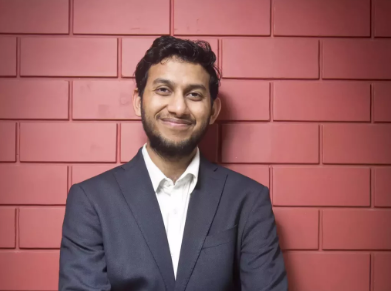
Passionate about travelling, 17-year-old Ritesh realised the need for affordable hotels that offered good services. His unique drive for identifying, understanding and solving the problem helped him create a huge empire that was built on the concept of fulfilling the requirements of the travellers – affordable rooms with standard facilities. His venture, OYO (On Your Own) is valued at more than $10 billion and Ritesh’s net worth is more than $1 billion, which makes him the world’s second-youngest self-made billionaire.
2. Advait Thakur
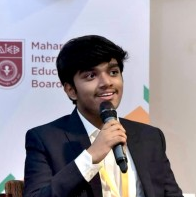
Advait is a young tech entrepreneur who is changing the world. He founded his own tech company Apex Infosys when he was 12 years old. The company is now a global technology and innovation company that specialises in IoT- related services and products, AI and Health Tech sectors. Advait is also the youngest Google, Bing and Hubspot Certified Professional.
3. Vinusha MK
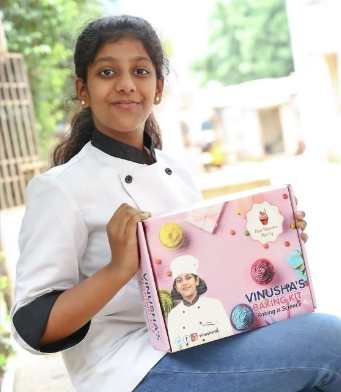
A simple cake baking task to surprise her mother on her birthday led Vinusha to start an enterprise of her own – Four Seasons Pastry. She was 9 years old at that time.
Vinusha bakes and sells cupcakes inspired by the four seasons. She is scaling up her business and has already launched a baking kit that comes complete with ingredients and recipes, homemade chocolates, sandwiches and more. Needless to say, every order here is baked with passion.
4. Tilak Mehta
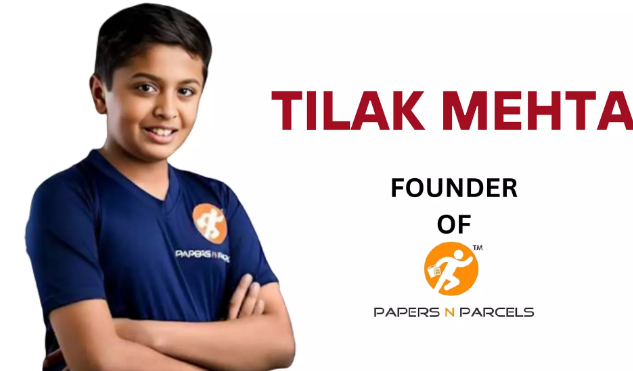
Inspiration for a startup can come from anywhere. Nothing illustrates this better than Tilak Mehta and his success story Paper N Parcels. The story goes something like this – 13 year old Tilak needed some books urgently from the other part of Mumbai city. But despite waiting all day for his father to return from work so he could go and get them, young Tilak was left disappointed – his father was just too tired. Instead of sulking or throwing a tantrum, Tilak struck gold from the situation. He conceptualised a startup that could deliver small parcels within the city on the same day. His venture, Paper N Parcels immediately found traction and took off. It now employs over 200 workers and 300 dabbawallas and handles over 1200 deliveries in a day. Tilak is among the youngest Forbes panelists, a TEDx speaker and a Youngest Entrepreneur awardee in Logistics Sector.
5. Sreelakshmi Suresh
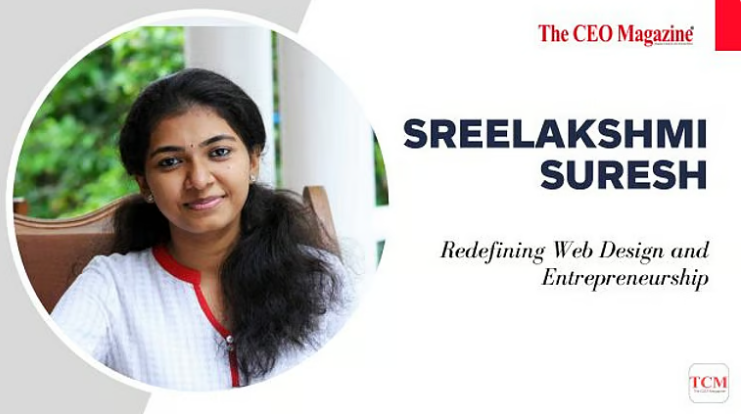
Sreelakshmi began using computers at the age of 3, started designing at 4, designed her first website at the age of 6 and owned a startup at 11! Life has certainly been on the fast lane for her! She has often been regarded as one of the Youngest CEOs and Youngest Web Designers. Apart from her startup eDesign, Sreelakshmi also owns another company TinyLogo.
6. Akhilendra Sahu

‘World’s Youngest Serial Entrepreneur’. Not a bad title to have, right? Akhilendra started at the age of 16 by doing freelancing work to gain experience. By sheer hard work and persistence, he achieved great success. He owns and runs ASTNT Technologies, ASTNT Hosting, ASTNT Media, Technical Next, ASTNT Newswire, StartUp199, and a slew of other companies. He is also the co-founder of Scoop Beats Private Limited.
7. Rohit Kashyap

As a young boy from a small town in Bihar, Rohit did not have access to a lot of resources. Yet, he was winning Olympiads! He also ranked in the top 1000 in the ICAI Commerce Wizard. Not one to hog the limelight all by himself, Rohit offered to tutor others to achieve success. But the response he received overwhelmed him. This gave him the idea to start a school that will help young achievers and thus, at the young age of 14, he founded Maytree School of Entrepreneurship.
8. Deepak Ravindran

Deepak started his entrepreneurial journey when he was 17. Swades Solutions and just4sale.com were his early forays into the world of entrepreneurship. But it was his venture Innoz Technologies Pvt. Ltd. that really put him in the big league. The idea was inspired by a vegetable purchase interaction between his mother and a vendor. His innovation helped people who had no internet access data without having to go online.
Through determination and hard work, Innoz today counts some of the biggest names like Airtel, Vodafone, Aircel, Idea, Wikipedia, Vuclip, Rotten Tomatoes, Zomato, Snapdeal, Bing, Worldweatheronline, etc., as clients.
9. Farrhad Acidwalla
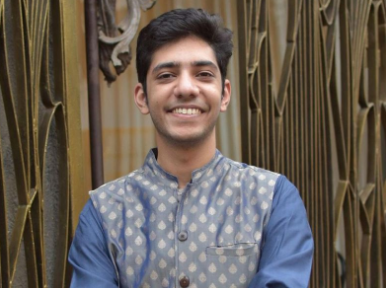
Farrhad’s entrepreneurial calibre was evident from the age of 13 when he created an online community about aero-modelling and aviation. When he was 17 he was interviewed by CNN and it was soon after that he started his successful venture Rockstah Media. Rockstah Media is a one-stop style destination for web development, marketing and beyond.
10. Nithin Kamath
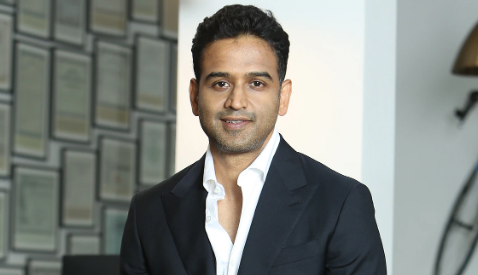
Nithin Kamath began trading stocks when he was just 17. His passion led him to establish Zerodha in 2007. Zerodha has over 7 million users and Nithin Kamath’s net assets have swelled to $1.9 billion, making him the third-biggest stockbroker in the country, just after ICICI and HDFC.
11. Appalla Saikiran

A prosperous professional career before even crossing the teenage years – just what Appalla achieved with his pathbreaking idea and the right mentorship. Appalla, an Ivy Early Entrepreneur, founded SCOPE at the age of 17. The idea was inspired from his own struggle to find the right mentors, investors and connect with other entrepreneurs in his early days of entrepreneurship. SCOPE is a new-age holistic platform that brings together aspiring entrepreneurs, venture capitalists, investors and industry experts. Awards and accolades have followed Appalla since – Global Kids Achievers Award, a spot at the Junior CEO program certified by Brown University and an invitation by Google to visit their office, a few among the many.
-

 Interviews10 months ago
क्या BJP Anti Muslim है? Bhiwandi Constituency में Development हुआ के नहीं | Ex MP Shri Kapil Patil
-
 Business10 months ago
खरीदारी के बहाने आए चोर ने ज्वेलर्स से सोने के गहनों की ट्रे उड़ाई || घटना सीसीटीवी में कैद
-

 Business10 months ago
भिवंडी: काबावत ब्रूस फैक्ट्री में भीषण आग, राहत–बचाव जारी
-
 Interviews10 months ago
आचार-संहिता से पहेले MLA Rais Shaikh ki Press Conference | Bhiwandi Election aur Demolition par bole
-

 Bhiwandi News10 months ago
गुलज़ार नगर वार्ड नंबर 10 में टोरेंट पावर के ट्रांसफार्मर में लगी आग || इलाके में अफरा-तफरी
-

 Entertainment10 months ago
भिवंडी की Daya Bhen || Tarak Mehta ka Ulta Chashman || KMES School
-

 Bhiwandi News10 months ago
Bhiwandi में फिर Acc!dent || Cement ka truck divider par चढ़ गया
-

 Bhiwandi News8 months ago
जन्म पत्रि बनाने के लिए बवाल | सालों साल घुमाया जाता है |एक महिला ने लगाई सबकी Class | भिवंडी पालिका